

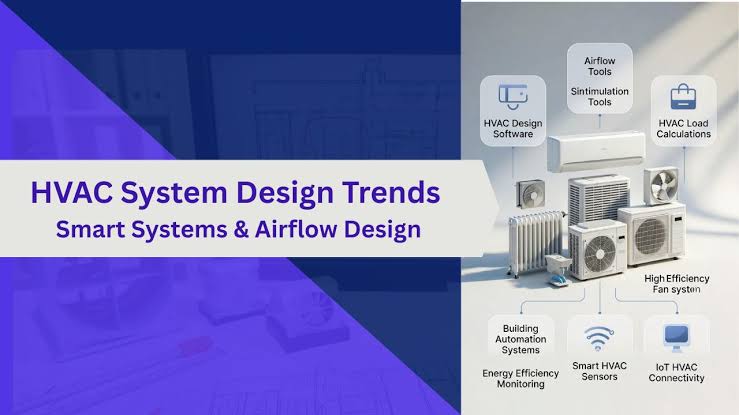
How HVAC system design trends are evolving with smart HVAC systems, advanced airflow design, and digital planning tools to improve building comfort and energy efficiency. It also highlights the growing role of HVAC design software, automation, and energy-efficient technologies in modern residential and commercial HVAC systems.
Smarter HVAC Design Still Fails When Airflow Numbers Are Wrong.Smart controls and modern system designs can improve efficiency, but poor load calculations or duct sizing can undermine the entire installation. DuctArchitect helps HVAC Consultants validate key design calculations before they become costly site problems.
HVAC Tools support:
No credit card required. Get 14 days of full access. |
Modern buildings demand climate control systems that are smarter, more efficient, and easier to design. As construction standards evolve and energy regulations become stricter, HVAC system design is moving toward data-driven planning, digital modeling, and high-efficiency airflow systems. Engineers and contractors now rely on advanced calculation tools and optimized duct layouts to ensure buildings maintain comfortable indoor environments while minimizing energy consumption.
The next generation of HVAC systems will focus on precision, automation, and sustainability. Instead of relying on traditional rule-of-thumb methods, HVAC professionals increasingly use digital design workflows, airflow simulations, and load calculations to design systems that perform reliably over time. These improvements are shaping how HVAC systems are designed for residential homes, commercial buildings, and large infrastructure projects across regions such as the United States, Europe, Canada, India, and the Middle East.
What Are HVAC System Design Trends?
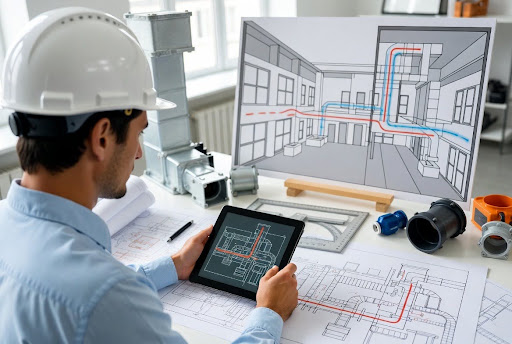
HVAC system design trends refer to the evolving methods engineers use to plan heating, ventilation, and air-conditioning systems for modern buildings. Today???s design practices focus on improving HVAC airflow design, reducing energy consumption, and ensuring consistent indoor air quality.
Key trends influencing HVAC design include:
- Smart airflow planning that improves temperature distribution and overall system efficiency.
- Energy-efficient HVAC equipment such as high-efficiency heat pumps and variable refrigerant flow systems.
- Digital design tools that help engineers simulate airflow and perform accurate load calculations.
- Building automation integration that allows HVAC systems to respond to occupancy and weather conditions.
These trends are helping HVAC professionals design systems that are more efficient, reliable, and easier to maintain.
Why HVAC System Design Is Becoming More Important
HVAC system design has become a critical step in construction projects because poorly designed systems can lead to higher energy costs, uncomfortable indoor conditions, and frequent maintenance issues. Modern buildings require HVAC systems that can handle varying temperatures, changing occupancy levels, and stricter energy-efficiency standards.
Better design planning helps engineers and contractors achieve several goals:
- Balanced airflow throughout the building
- Lower energy consumption through efficient equipment selection
- Improved indoor air quality with better ventilation systems
- Reduced operational costs for building owners
By focusing on proper HVAC design from the beginning, professionals can ensure that heating and cooling systems perform efficiently throughout their lifecycle.
Digital Transformation in HVAC System Design
The HVAC industry is rapidly adopting HVAC design software and digital tools that help engineers design systems more accurately and efficiently. Instead of relying solely on manual calculations, modern professionals use specialized HVAC software and HVAC calculators to perform load calculations, simulate airflow patterns, and plan efficient HVAC duct design before installation. These digital tools improve accuracy, reduce design errors, and help engineers optimize HVAC system performance for modern buildings.
Digital HVAC design tools offer several advantages:
- Accurate load calculations for determining heating and cooling requirements
- Optimized duct layouts that improve airflow efficiency
- Reduced design errors during system planning
- Faster project completion through automated calculations
These technologies allow engineers to visualize system performance before installation, reducing costly adjustments later in the project.
Energy Efficiency in Modern HVAC Design
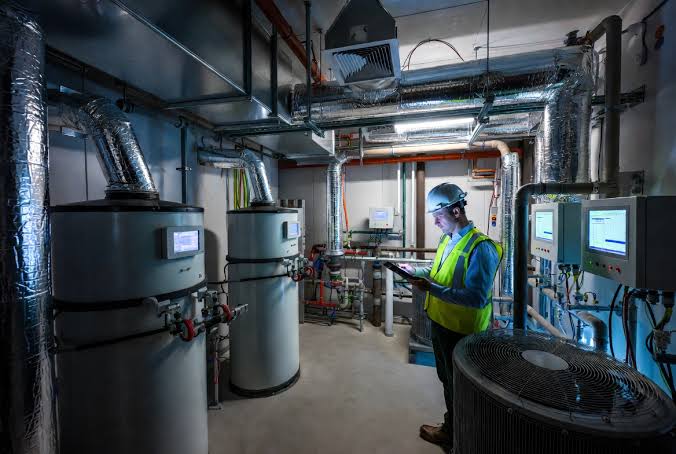
Energy efficiency has become a central focus of HVAC system design. Governments and building regulators around the world are introducing stricter energy standards to reduce carbon emissions and improve sustainability.
Modern HVAC designs often incorporate:
- High-efficiency heat pumps that provide both heating and cooling
- Variable refrigerant flow systems that adjust output based on building demand
- Advanced ventilation technologies that improve air circulation and indoor air quality
- Smart HVAC systems and climate control technologies that adjust temperatures automatically
These solutions help buildings reduce energy usage while maintaining comfortable indoor conditions.
Regional Growth in HVAC System Design Demand
The demand for advanced HVAC system design is growing globally due to increasing construction activity and climate challenges. Regions such as North America, Europe, and the Middle East are investing heavily in smart buildings and energy-efficient infrastructure.
In emerging markets like India and Southeast Asia, rapid urban development is creating strong demand for HVAC systems in residential complexes, commercial offices, and industrial facilities. As a result, HVAC engineers and designers are playing an increasingly important role in building modern infrastructure worldwide.
Career Opportunities in HVAC System Design
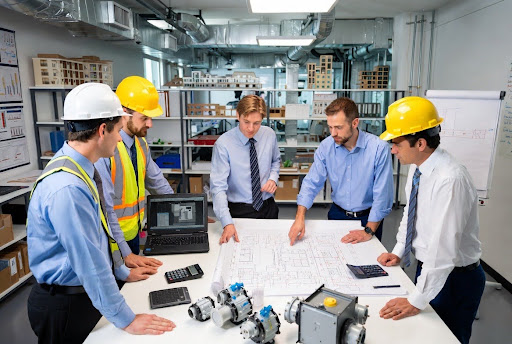
As HVAC systems become more complex, the demand for skilled professionals who understand system design and airflow optimization continues to grow. Engineers, designers, and HVAC contractors who specialize in system planning are highly valued in the construction and building services industries.
Professionals working in HVAC system design often develop expertise in:
- Load calculation and energy modelling
- Airflow and duct design
- Building automation integration
- Energy-efficient system planning
These skills are becoming essential as modern buildings require advanced climate control systems.
The Future of HVAC System Design
Looking ahead, HVAC system design will continue evolving toward intelligent, automated climate control systems. Smart buildings will rely on HVAC systems that integrate with sensors, building management platforms, and renewable energy systems.
Future developments may include:
- AI-assisted HVAC design tools that optimize system layouts automatically
- Self-monitoring HVAC systems that detect maintenance issues early
- Energy-adaptive buildings that adjust heating and cooling based on environmental conditions
These innovations will transform HVAC system design from a mechanical planning process into a data-driven engineering discipline.
Conclusion
HVAC system design trends are reshaping how heating and cooling systems are planned for modern buildings. Advances in digital design tools, energy-efficient HVAC systems, and smart building integration are helping engineers create more reliable and sustainable HVAC systems. As construction projects become more complex and energy regulations continue to evolve, proper HVAC system design will remain essential for ensuring efficient building performance and long-term operational savings.
Frequently Asked Questions
1. What Are Modern HVAC System Design Trends?
HVAC system design trends refer to modern approaches used by engineers to plan heating, ventilation, and air-conditioning systems with improved energy efficiency, airflow optimization, and digital design tools.
2. Why is HVAC system design important?
HVAC system design is important because it ensures buildings maintain balanced airflow, efficient temperature control, and lower energy consumption while reducing operational costs.
3. What tools are used for HVAC system design?
Engineers often use digital HVAC design tools and software to perform load calculations, simulate airflow, and plan efficient duct systems before installation.
4. How are HVAC systems becoming more energy efficient?
Modern HVAC systems use technologies such as heat pumps, smart climate control systems, and variable refrigerant flow systems to reduce energy consumption and improve performance.
5. What skills are required for HVAC system design?
HVAC system design professionals need skills in load calculation, airflow planning, energy modeling, and understanding modern HVAC equipment and building automation systems.
Dr. Rajesh Rolen
Published on March 13, 2026